Rabu, 20 Januari 2016

These Were Some Of The Most Amazing Offerings At This Year’s Tokyo Auto Show


One of the biggest auto shows of the year kicked off in Chiba, Japan on January 15 and as usual, the car manufacturers didn’t disappoint. The Makauri Messe convention center in Japan where the upcoming concepts in cars were displayed saw a huge influx of auto enthusiasts from around the globe eager to see what the industry and designers had in store for them. Here are some of the best performers of the car show:
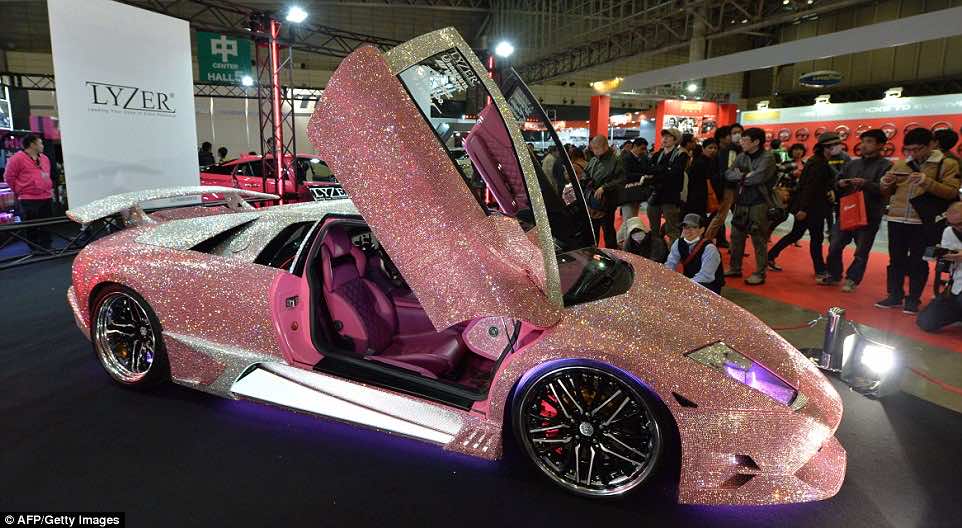
A Lamborghini for She; Lamborghini Murcielago with pink Swarovski crystals. 


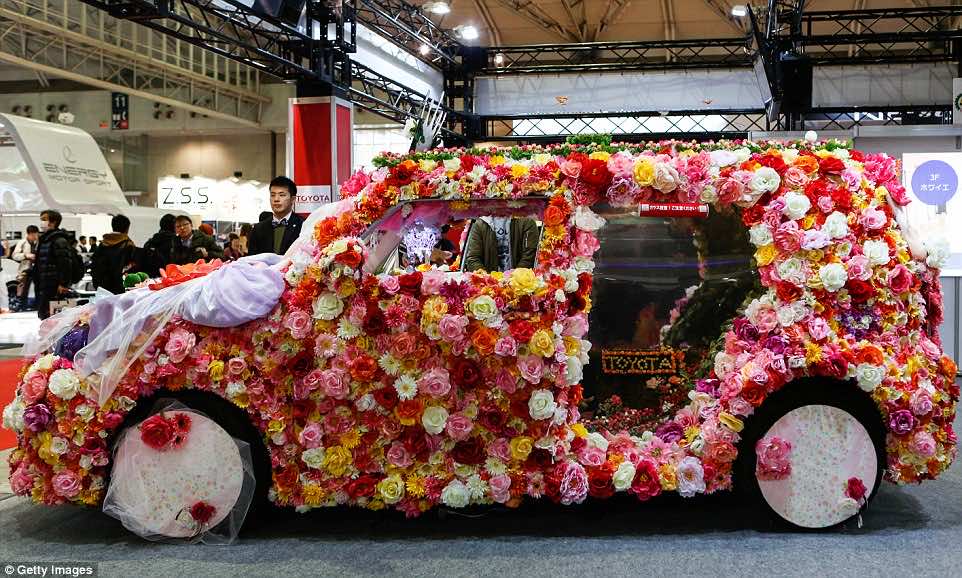
Nice bouquet of a car. Must have come with a built-in “Just Married” sign….


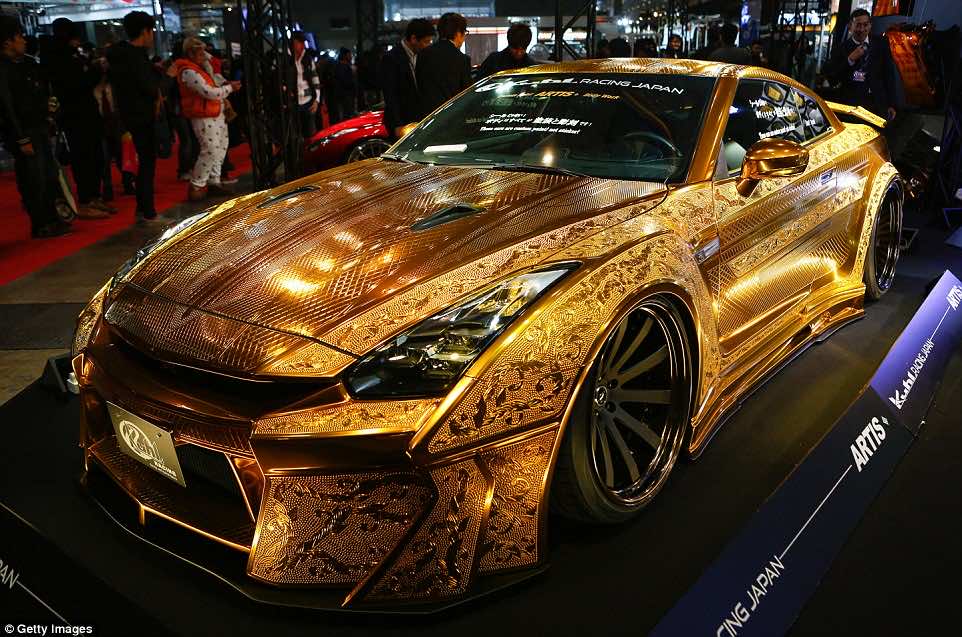
 This cool reptilian gold engraving on a Nissan GTR-35 is surreal.

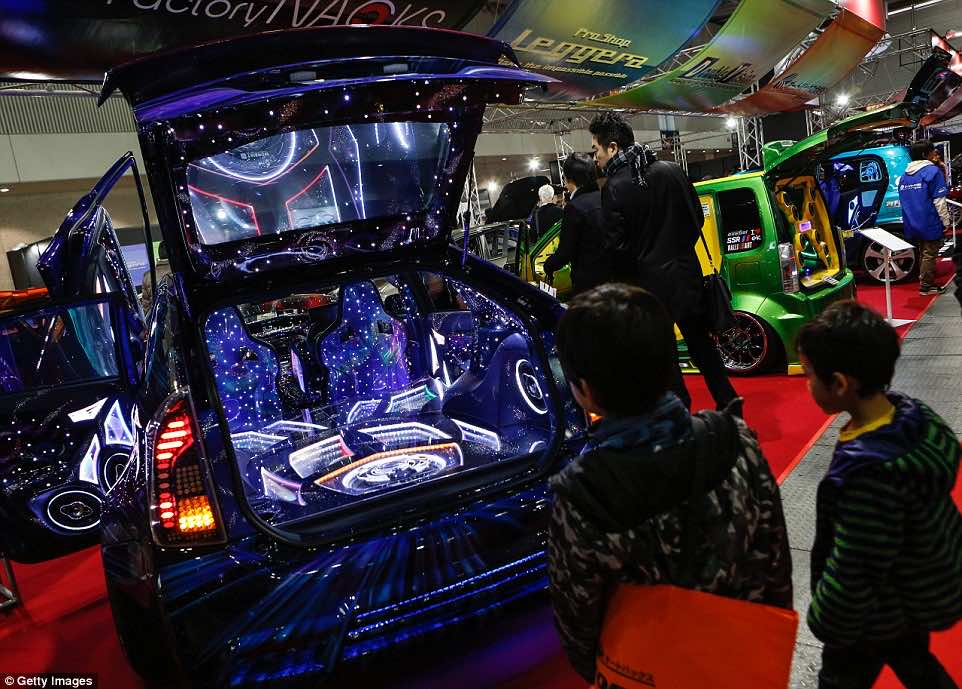
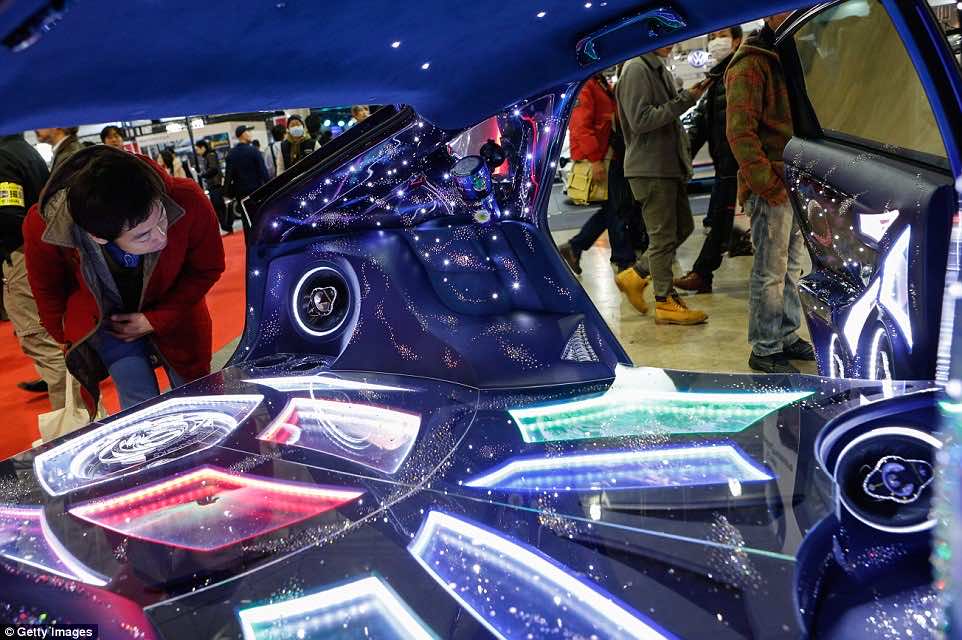
 Two young onlookers appreciate the subtle beauty of the incredible custom audio system. It extends to the back seat with sparkling colors and swirling galactic design.


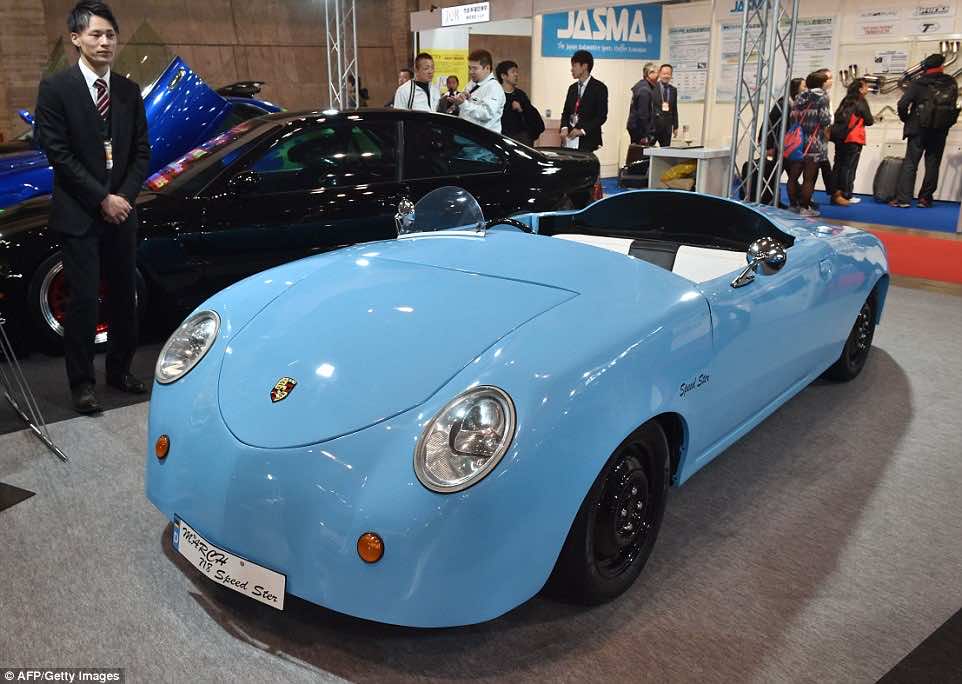
 This odd-looking thing from the Tsukuba Institute of Science and Technology is called March 718 Speed Ster. I guess rain wasn’t considered in the making of this car!

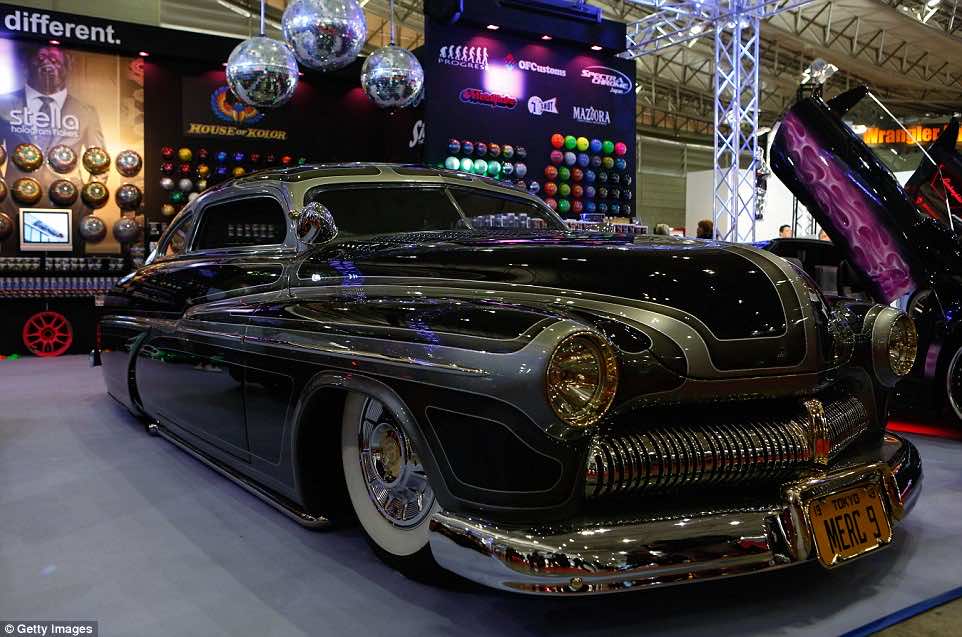
 1949 Mercury appears to come out from the garage of a classical villain. It broke sales records when it was first released, and this impressive paint job takes it to an entirely new level.

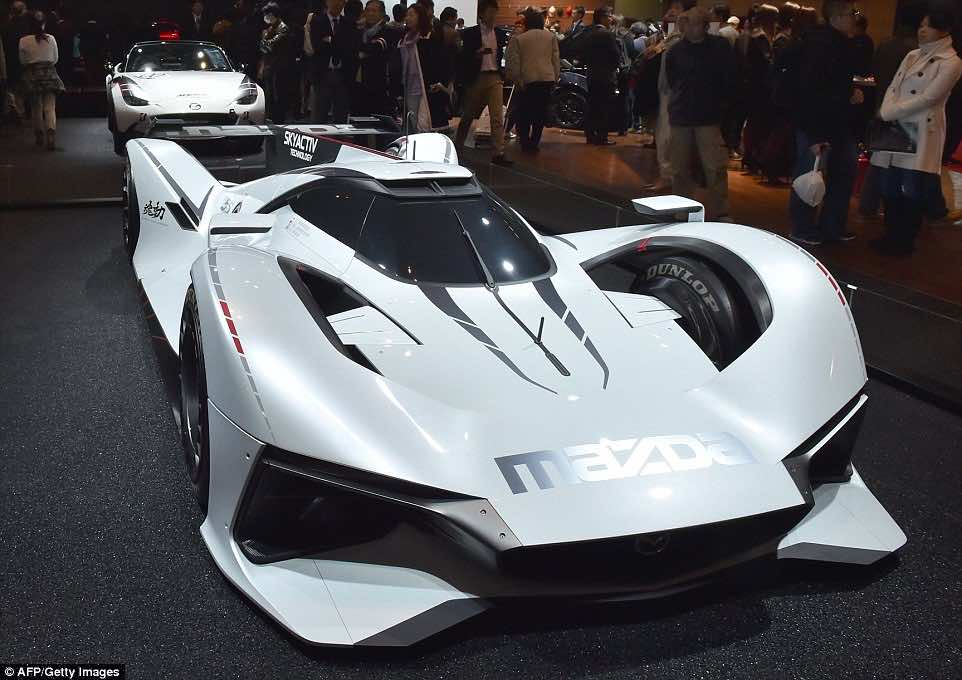
 Mazda LM55 Vision from the video games Grand Turismo 6 is seen here in full scale. How cool is she?
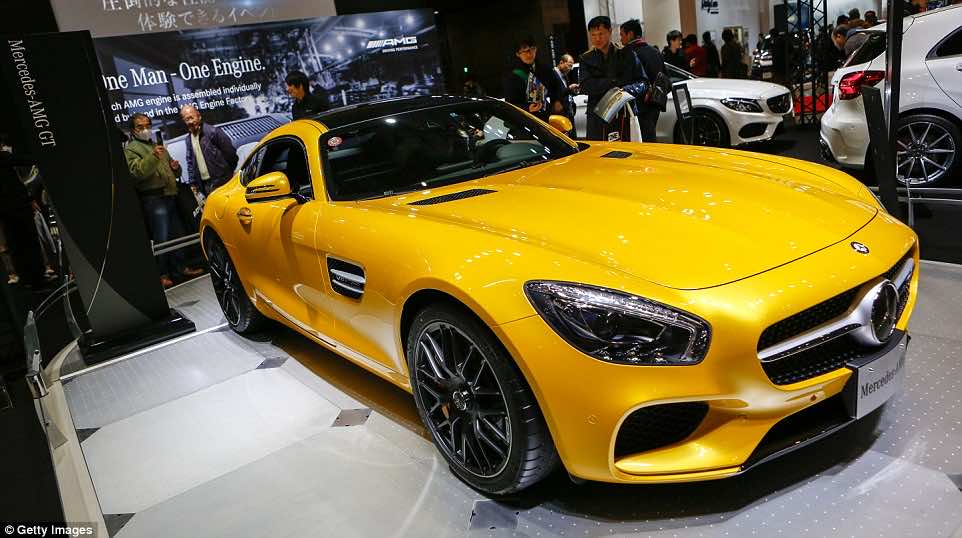
 A Mercedes-AMG GT that will probably be released commercially this summer. 


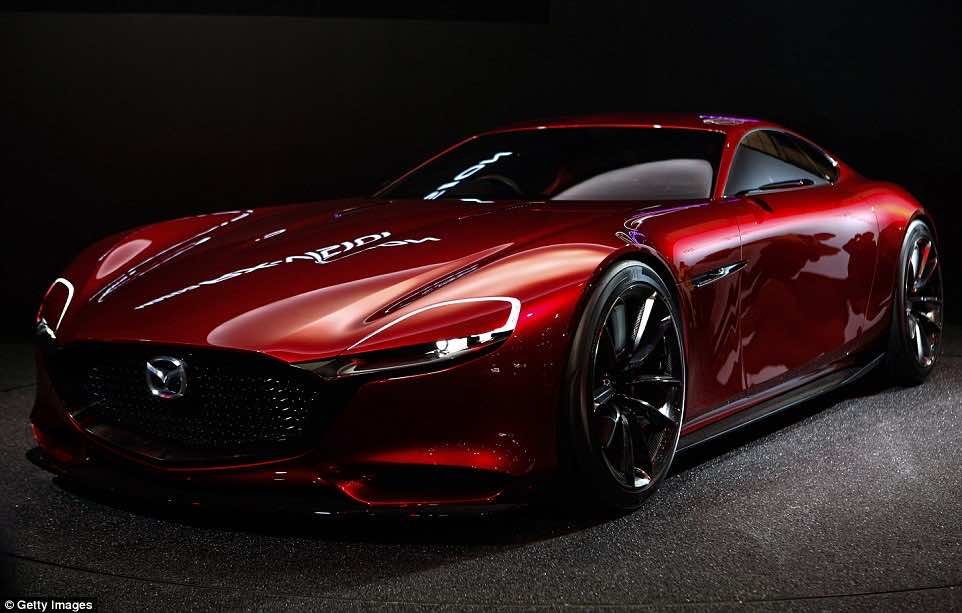
Mazda RX-Vision concept with a rotary engine!

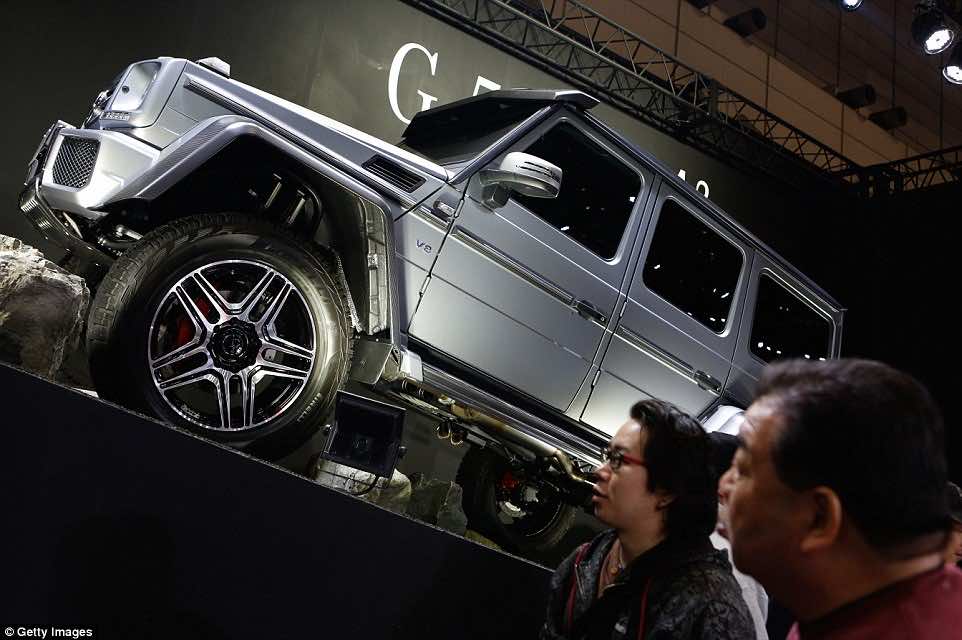
 Mercedes-Benz G550 4×4 that has a compact design and very low gas exhaust emissions. 


Intel Bags Guinness World Record For Flying 100 Drones Simultaneously


Intel, in collaboration with Austria’s Ars Electronica Center, has set a new world record that pertains to the most drones being airborne simultaneously. The feat sported 100 UAVs taking flight in a pre-programmed manner and allowing the onlookers to enjoy an amazing light show that has been synchronized to the Beethoven’s Fifth Symphony.

 The Ars Electronica Futurelab is a center that is known for researching new kinds of cyber-art. It began working in 2012 to have large groups of quadcopters to fly together in formation. The team had its first success in September 2012, when it lit the sky up using 50 LED-equipped drones over the Danube River. A number of aerial art-works followed in various locations around the world from Australia to Sweden. Eventually, Intel came knocking in 2014 with the idea of Drone 100.

 The Drone 100 was the idea of Intel and it entailed lighting the night sky up using a record-setting squadron of quadcopter in a flight that was synchronized. This feat was achieved on 4th November, 2015 with a crew of 15 persons and a 100 drones that were launched over Ahrenlohe Airfield near Hamburg, Germany. These drones featured LEDs affixed to their bodies and weighed in at 700 grams each. The fleet performed a choreographed routine that lasted for over seven minutes and eventually formed a 250 meter wide Intel Logo for the grand finale.


 A judge from Guinness World Records was present on the site to carry out verification of the record. The video of this event was also shown at CES 2016 during the Intel CEO Brian Krzani’s keynote on the opening day. Apart from demonstrating an amazing light show, the feat will also prove significant in pushing the drone technology forward towards utilization of autonomous drone groups carrying out tasks.

Selasa, 19 Januari 2016

China Is Developing Plastic Grass That Generates Electricity When Wind Blows Over It


While China is usually quoted as the country that sports environmental pollution, the fact remains that it is now ahead of the US when it comes to renewable energy development and deployment while Chinese innovation in clean energy is becoming a regular source of inspiration.


One similar development is in the shape of ‘plastic grass’ and has been achieved by scientists at the Southwest Jiatong University in Chengdu. The research team is led by Zhong Lin Wang and has created a new kind of triboelectric nano-generator (TENG) – a form of technology that allows of conversion of mechanical and/or thermal energy into electricity. Nano-generators work on three principle methods; piezoelectric, triboelectric and pyroelectric. The former two deal with harvesting mechanical energy and the latter deals with harvesting of thermal energy. TENG features vertically free-standing strips that have been created from polyethylene terephthalate (PET) thin film – coated with indium tin oxide (ITO) on one side and nanowires on the other, thus allowing the electrons to jump between the two materials. The process is known as triboelectric effect.

The team’s research study was published in the journal, Advanced Materials. According to the publication, TENG-based wind energy harvesters, developed someplace else, made use of wind-induced membrane vibration for the electricity generation but are only beneficial when the wind blows in a particular direction. The project’s aim, therefore, was to tap into the energy potential of the erratic winds while also being able to take advantage of stable winds. The Southwest Jiatong University thus came up with a flexible TENG that is capable of harvesting energy from natural wind despite the erratic wind directions.

Team member, Weiqing Yang, said, “Compared with a wind turbine, our triboelectric nanogenerator (TENG) is effective at harvesting the energy from natural wind blowing in any direction. Yang further added that the polymer thin film material used in the gadget allows the gadget to be made available at a low cost while allowing for easy manufacturing and scaling up if needed.


Every flat array of TENG has a structure similar to that of a kelp forest thus allowing single strips to move independently and thereby creating a contact-separation process in response to the blowing wind. A high-speed camera was employed for capturing the working states and interaction between two TENGs that are adjacent. The strip was able to create vibration frequency of 154Hz thus allowing for a sufficient contact-separation for high electric output. When a 10 x 2 cm strip when subjected to an airflow velocity of 27m/s, the team learned that two adjacent strips covering a rooftop area of 2×0.7cm can provide an open circuit voltage of 98V, short-circuit current of 16.3µA and a power density of up to 2.76 Wm-2. This is enough power to light an advertisement hoarding.

Upon deploying an array, consisting of 60 strips, of TENGs on a rooftop, the team was able to generate a power density of up to 2.37 Wm-2. This is enough power to simultaneously light up 60LED bulbs that are connected in series.

The team has demonstrated that the TENG is able to provide substantial power when it comes to home electronics and is therefore, a reliable power source. The device has only been tested in the lab so far, so we’ll have to wait a while before it becomes consumer-ready.

Senin, 18 Januari 2016

Project proposes detaching entire cabin from airplane in case of emergency

If you are scared of traveling by plane, then fear no more. Say goodbye to butterflies in the stomach every time you enter an airplane. At least that is what Tatarenko Vladimir proposes with his aircraft safety system. We have showed you before the first version of his project, which was based on a capsule that would be released through a rear hatch at the tail end of the plane in case of emergency, which seemed unfeasible due to the weight and received a lot of criticism.


The new project counts with a cabin what would detach itself completely from the plane, saving everyone onboard. Apparently, the number of seats would be rearranged, along with the luggage compartment to make sure everyone and their belongings land safely. During an emergency, the cabin would be released from the rest of the airplane, landing safely on land or at sea, with the help of parachutes and inflatable material to cushion the fall.


Although it is a promising idea, the Aviation Safety Network (ASN) pointed out that 2015 was the safest year in commercial aviation. During the last year there were 16 accidents totaling 560 deaths worldwide. The engineer is looking for companies to invest in his project and make it commercially available.


Top 5 Smart Personal and Home Gadgets

Smart devices are quickly taking over the world. From Smartphones to Smartwatches, every single one of these devices are personalized to help make your life even easier. In fact, sometimes they make it too easy in the sense that they can predict what you might be trying to do without you actually indicating to do so. Take for example the smart keyboard application that tries to predict the next word you might possibly type.
Based on these pieces of information, let us look at the top 5 gadgets you might consider having with you both in person and at home.

1. Smartwatches

Smartwatches are convenient. You can check the time, see and attend to messages and emails, make a phone call, and even monitor your health with them. And you can do all this without having the inconvenience of checking your phone every couple of minutes.
 2. Smart clothes

Wearable technology is an idea that is becoming increasingly attractive. Smart clothing is already being used in the fitness industry, with sensors integrated into the clothing that can help provide useful medical information to the user. There are also other ideas that are being explored, such as using a smart pair of jeans to charge your phone while it is in your pocket. Seems handy.


 3. Smart shower

Smart Showers are interesting options for people that are interested in conserving water, or lowering their water bills. There are some smart showers, such as Hydrao Smart Shower, that regulate the amount of water you use while you shower. What is mostly interesting about this technology is that it does not need any electricity to function. There is a small turbine inside the shower head that uses the water flow to produce the power needed to run the entire system.


 4. Smart lock

Keeping track of your keys can be inconvenient. Sometimes we just have so many keys that it can take a considerable amount of time to just find the one key we need to open a certain lock. Smart locks solve this problem by replacing all those keys with a Smartphone. To unlock a lock, all you need is a single tap on your Smartphone.


 5. Smart mattress

One might think; ‘what good is a Smart Mattress anyway?’ It is actually way better than many might think. Let us consider the Eight Smart Mattress for example. Eight can track your sleep cycle and breathing rhythms to keep you informed of how healthy you are sleeping. It can even wake you up at the right time of your sleep cycle to ensure your optimal functionality during the day. If you live in a Smart Home, it can also be configured to lock your doors, turn off the lights in the house and if you are a coffee person, it can make you a cup as well.

 source: link


TechWold. Diberdayakan oleh Blogger.


Copyright @ 2013 TechWorld.

Designed by Templateiy & CollegeTalks